
5 Tips to Keep Your Wedding on Budget
Planning a wedding can be one of the most exhilarating yet financially challenging experiences of your life. With the rising costs associated with venues, catering, and other services, it is no surprise that many couples find themselves over-budget during their wedding planning process. However, a memorable and beautiful wedding does not have to equate to draining your savings account. According to Zippia, there are an average of two million weddings every year in the United States. By focusing on key areas of expenditure, you can ensure that your wedding is both financially responsible and joyful.
Prioritizing Your Budget
To begin with, it is imperative to set a clear and realistic overall budget for your wedding. Consider your financial situation and determine an amount you can comfortably afford without going into debt. Once you have a budget in place, it becomes much easier to allocate funds and make informed decisions, because a well-planned budget acts as a roadmap guiding every financial choice throughout the wedding planning process.
Next, identify the elements of your wedding that are most important to you and your partner. This allows you to allocate a larger portion of your budget to those areas, while reducing spending in less critical areas. By prioritizing what truly matters, you will find it easier to say no to unimportant extras. Setting aside an emergency fund as a contingency will also alleviate stress, allowing you to focus on the joy of your special day.
Regularly review your budget throughout the planning process to ensure you are staying on track. Should any category exceed its allocated amount, consider cutting costs in another area to compensate. Flexibility and adaptability are key, as your priorities may shift as you progress. Continuous budget evaluations can avert potential financial pitfalls, ultimately protecting your financial well-being.
Choosing an Off-Peak Date
Opting for an off-peak season wedding can significantly lower overall costs. During these months, venues and vendors often offer reduced rates to attract more bookings. Not only does this mean potential savings, but it also increases the likelihood of securing your preferred vendors and locations. You will also face less competition from other couples planning their weddings, making off-peak dates an attractive option.
To find the best dates, research typical wedding seasons for your chosen location. In many regions, late fall, winter, and early spring are considered off-peak. Consult with local vendors about their availability and rate differences between peak and off-peak times. Taking midweek dates into account can provide further savings, helping you pick the perfect date without overspending.
In addition to venues, vendors such as florists, caterers, and entertainers may offer discounted rates during off-peak seasons. With reduced demand, vendors are often eager to make deals to attract clientele, providing you with opportunities to stretch your budget further. This proactive approach maximizes how far your money can go, proving that smart vendor choices during off-peak times equate to significant savings without sacrificing quality.
Minimizing Your Guest List
To maintain a manageable guest list, start by focusing on the people who are truly essential to your celebration. Consider family members, close friends, and significant relationships that impact your life. Be mindful not to feel pressured by inviting acquaintances or extended relatives if it means straying beyond your budget. This selective approach reduces costs significantly while ensuring your day remains special and intimate.
Limiting your guest list directly impacts the size and type of venue required, thus influencing cost. Smaller venues, which typically come with lower rental prices, make more options available within budget constraints. Some unique or non-traditional spaces, perfect for smaller gatherings, may offer memorable settings at a fraction of the price of larger, conventional venues. Consequently, a refined guest list affords creative flexibility and practical benefits.
By minimizing guest numbers, you will naturally cut down on catering costs as well. A reduced guest list means fewer meals and beverages to account for, freeing funds for other aspects of your wedding. Beyond financial savings, small weddings provide unique opportunities to connect meaningfully with your guests. An intimate setting allows for more personal interactions and shared memories with your nearest and dearest.
Selecting Smart Catering Alternatives
Buffet-style or food stations offer an affordable, versatile catering option that can please diverse palates. Guests have the freedom to choose dishes they enjoy, reducing unnecessary waste and helping manage budget constraints. This approach requires fewer servers, thereby cutting labor costs associated with traditional sit-down meals. Additionally, it encourages mingling so guests naturally socialize while serving themselves.
Choose a caterer who emphasizes the use of local, seasonal, and sustainable ingredients. Such practices often result in lower costs and fresher dishes. Locally sourced menus also support regional businesses, creating a beneficial economic ripple effect. Consider seasonal produce to capture flavors at their peak while exploring creative menus that reinforce an environmentally conscious mindset while maintaining budgetary alignment.
Reducing the alcohol selection at your wedding can significantly cut down costs. Opt for a signature cocktail, beer, and wine rather than offering a full bar, which is consistently known to escalate expenses. Providing thoughtful yet limited choices can ensure high-quality offerings that will not break the bank. It is a tasteful compromise that maintains guest satisfaction without overindulgence.
Saving on Wedding Attire
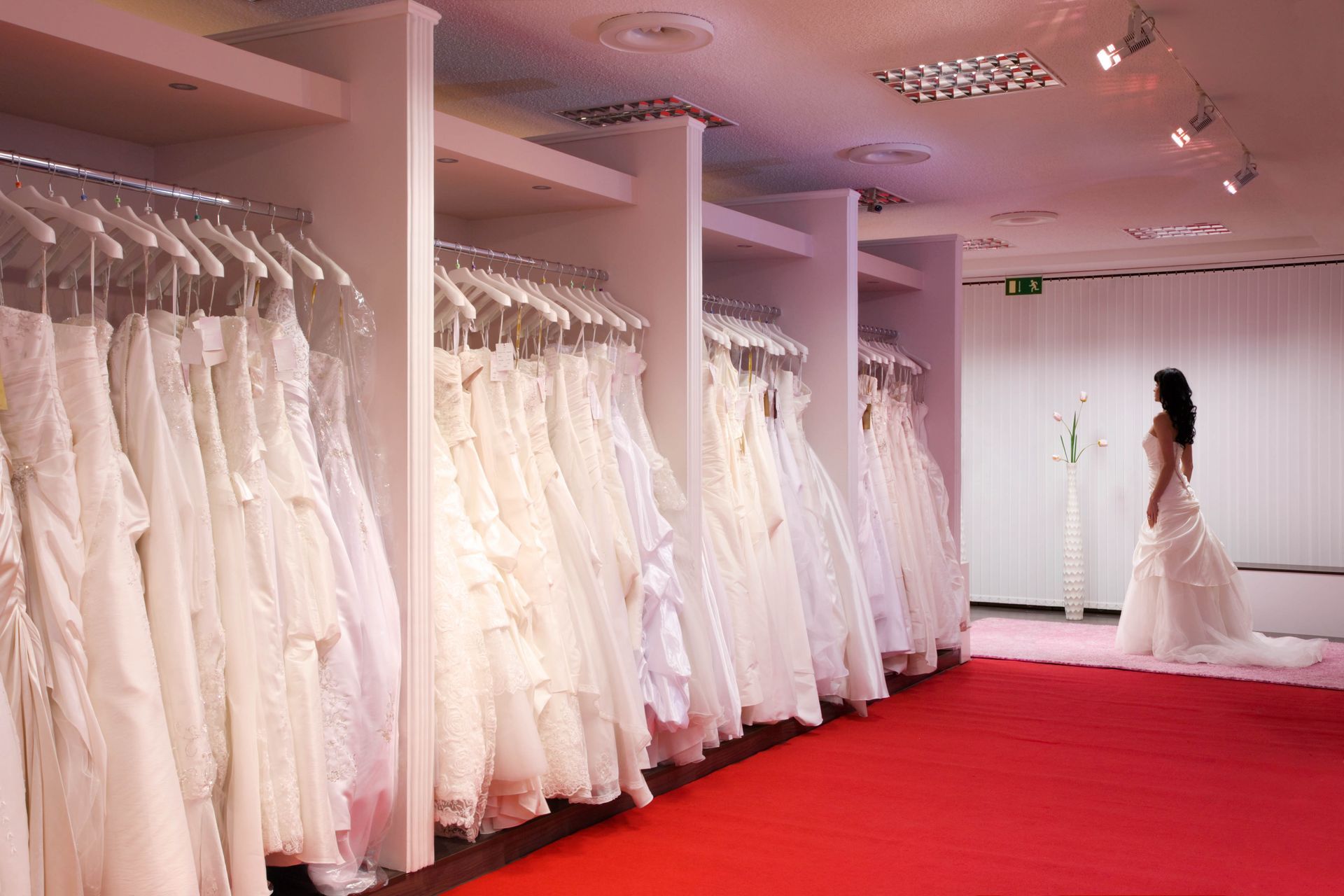
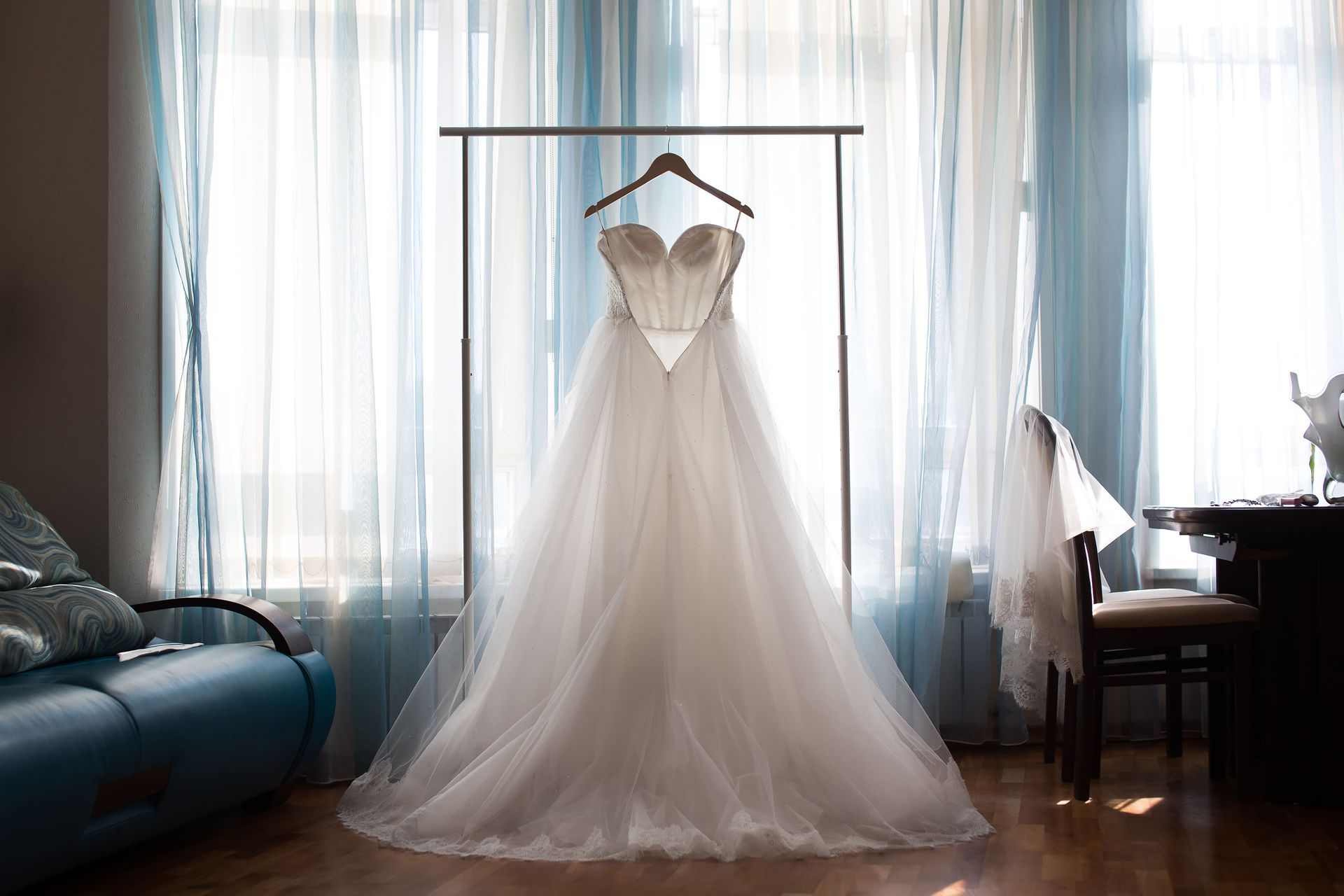
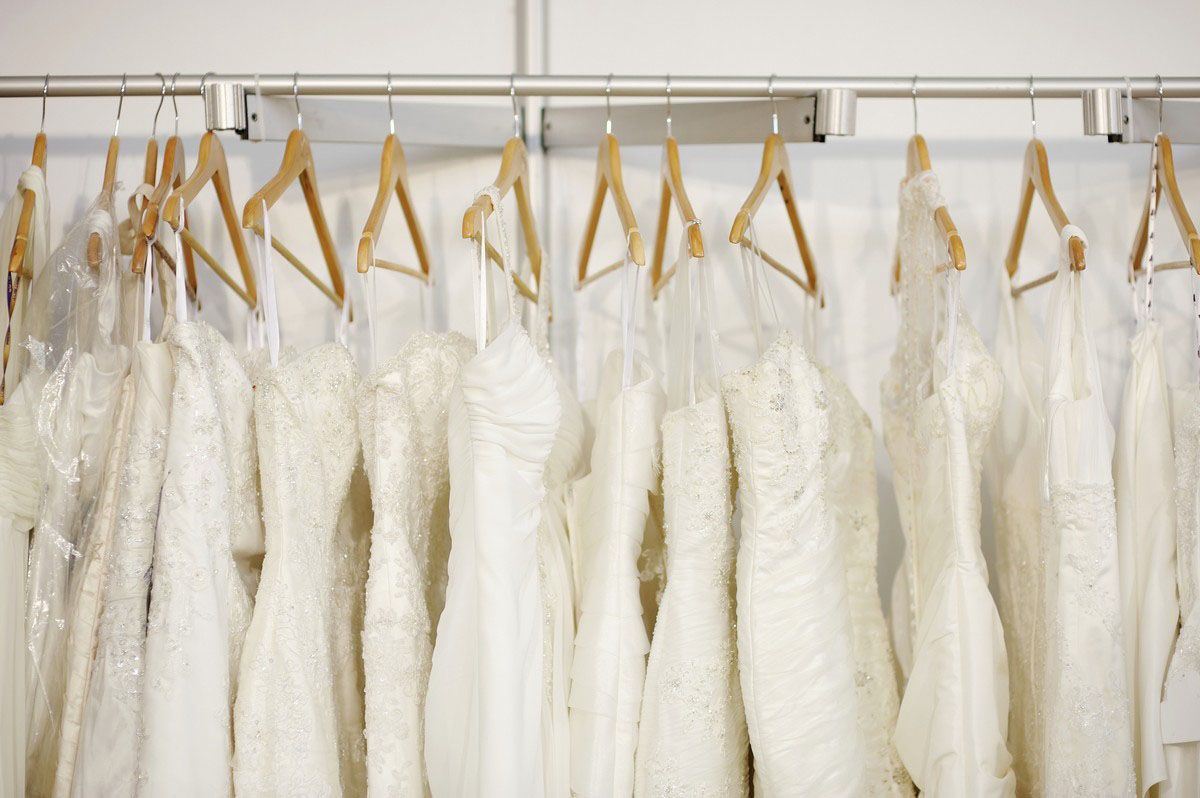
Consider purchasing a used wedding dress or a sample dress at a significantly reduced rate. Another budget-friendly alternative is to rent your wedding dress, suit, or other attire. Rental stores offer a wide range of high-end designer wear at a fraction of the purchasing cost. Given the likelihood of wearing wedding attire only once, renting is a sensible choice for those prioritizing savings. When selecting attire, prioritize timeless styles over fleeting trends, as classic designs often hold greater appeal and are more likely to fit various budgets.
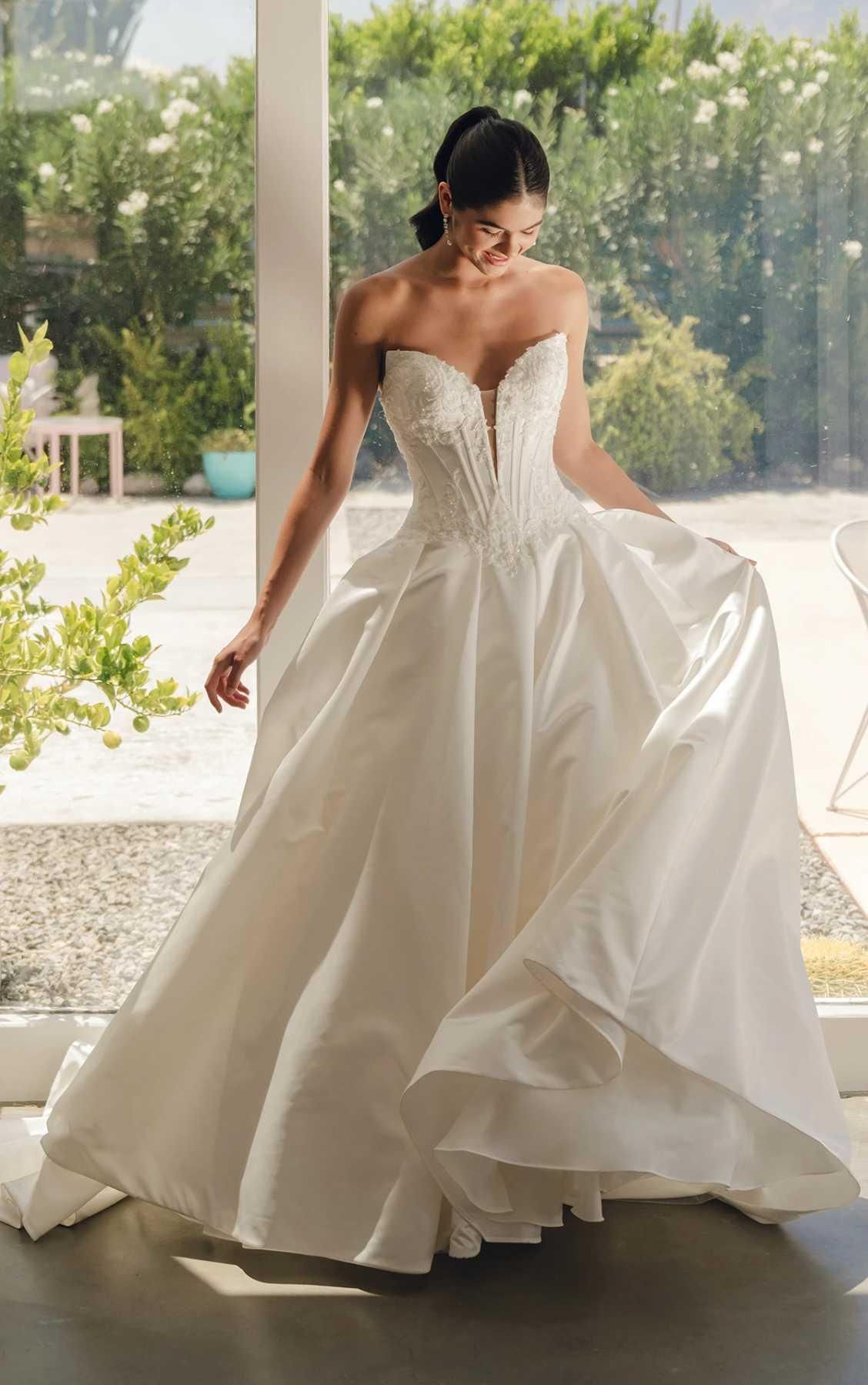
For a truly personal touch, investing in a tailored bridal gown can actually save money on alterations later on. A tailored bridal gown ensures a flawless fit right from the start, eliminating the need for expensive post-purchase adjustments. When you choose a tailored bridal gown, you are investing in a piece designed specifically for your body, which maximizes comfort. Many boutiques offer package deals when ordering a tailored bridal gown, making it a highly cost-effective choice. Ultimately, choosing a tailored bridal gown allows a bride to look stunning while keeping strict control over her wardrobe expenses.
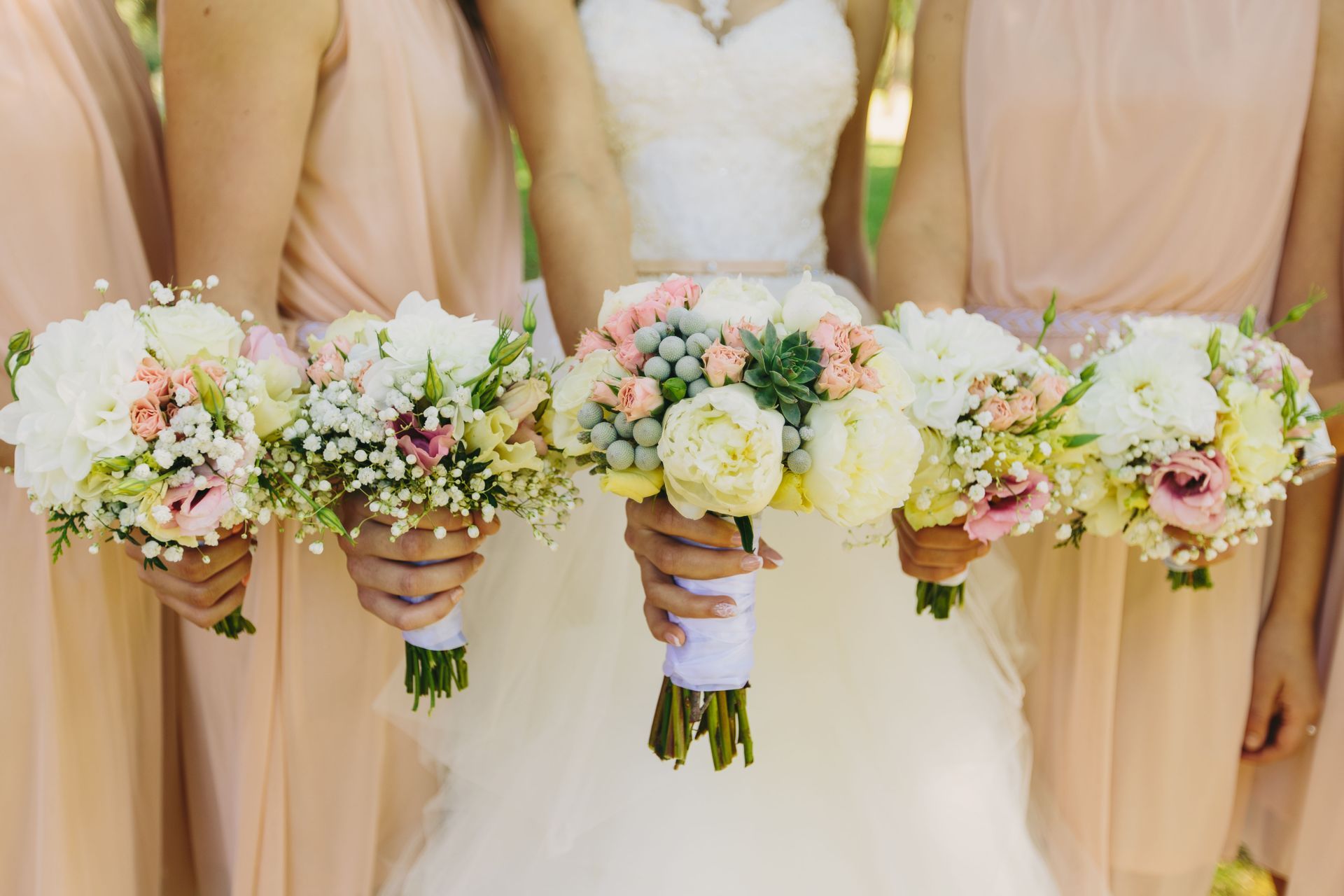
Look for creative ways to reduce costs on wedding accessories, which can add up quickly. Opt for heirloom or borrowed jewelry to bypass purchase expenses while adding sentimental value. Thrift stores and online platforms provide budget-friendly options without compromising on beauty. Additionally, focused simplicity in bracelets, veils, and shoes can produce a stunning effect. Accessories are an opportunity to showcase individuality without exceeding budget limitations.
With careful planning and thoughtful choices, it is possible to create a beautiful and meaningful wedding day that aligns with your financial goals. By focusing on the essentials and exploring creative options, you create a loving, joyous day rich in memories. A well-executed budget enables stress-free enjoyment for both the couple and their guests. After all, the wedding's true essence lies in the celebration of love, transcending expenditure. For more information about the services that we offer, reach out to our incredible team at Sweet Elegance Bridal today!


Share On: