
5 Wedding Dress Shop Red Flags No Bride Should Ignore
Finding the perfect wedding dress is one of the most exciting parts of preparing for a wedding, but choosing where to shop is equally important. A positive experience should include attentive service, transparent pricing, quality merchandise, and ongoing support. Unfortunately, not every bridal boutique provides the same level of care. Recognizing warning signs early can help brides avoid unnecessary stress, unexpected expenses, and disappointing purchases. Before committing to a boutique, consider these five red flags.
1. Providing Poor Customer Service
Customer service is one of the most important qualities to evaluate when visiting a bridal boutique. If employees consistently fail to return phone calls or respond to emails, it may indicate that the business does not prioritize communication. Brides already have numerous wedding-related responsibilities, so finding a boutique that respects their time and responds promptly can make a significant difference. A reliable wedding dress shop should make communication a priority from the first inquiry.
Rushed appointments are another warning sign. Wedding dress shopping is a personal experience that deserves time and attention. Staff members should learn about a bride's preferences, discuss different styles, and provide helpful recommendations without pressuring her to make a quick decision. A reputable boutique should schedule enough time for customers to explore their options comfortably.
Online reviews can provide additional insight into a boutique's customer service. While an occasional negative review does not necessarily indicate a larger problem, repeated complaints about unhelpful employees, poor communication, or unresolved issues deserve attention. Look for specific details about previous customers' experiences to determine whether a wedding dress shop consistently delivers attentive service.
2. Hiding Fees and Obscuring Contract Terms
Wedding expenses can add up quickly, making transparent pricing essential when shopping for a bridal gown. Hidden fees, unexpected alteration expenses, and unclear payment requirements can create financial difficulties. According to Zola, 60% of couples say managing their real-world budget against online inspiration is their top wedding-planning stressor, up 12% from the prior year. With so many competing expenses, brides benefit from knowing exactly what they are paying for before making a purchase. A trustworthy wedding dress shop should explain all costs upfront.
Inconsistent pricing information is another concern. If employees provide different estimates during consultations or cannot explain what a quoted price includes, brides may struggle to make informed decisions. The cost of a gown can depend on factors such as fabric, embellishments, designer, and customization options. A trustworthy boutique will explain these details clearly and answer financial questions without making customers uncomfortable.
Contractual terms deserve the same attention as the initial price. Before signing an agreement, brides should understand deposit requirements, payment deadlines, cancellation policies, and refund restrictions. Overly strict terms or unexpected conditions buried in fine print can create complications if wedding plans change. Delivery timelines should also be documented so brides know when to expect their gowns.
Alteration policies are particularly important because most wedding dresses require some degree of adjustment. Ask whether alterations are provided in-house, handled by an outside professional, or charged separately. Understanding these details helps establish a realistic budget and prevents unexpected expenses closer to the wedding date.
3. Offering Limited Selection and Poor-Quality Dresses
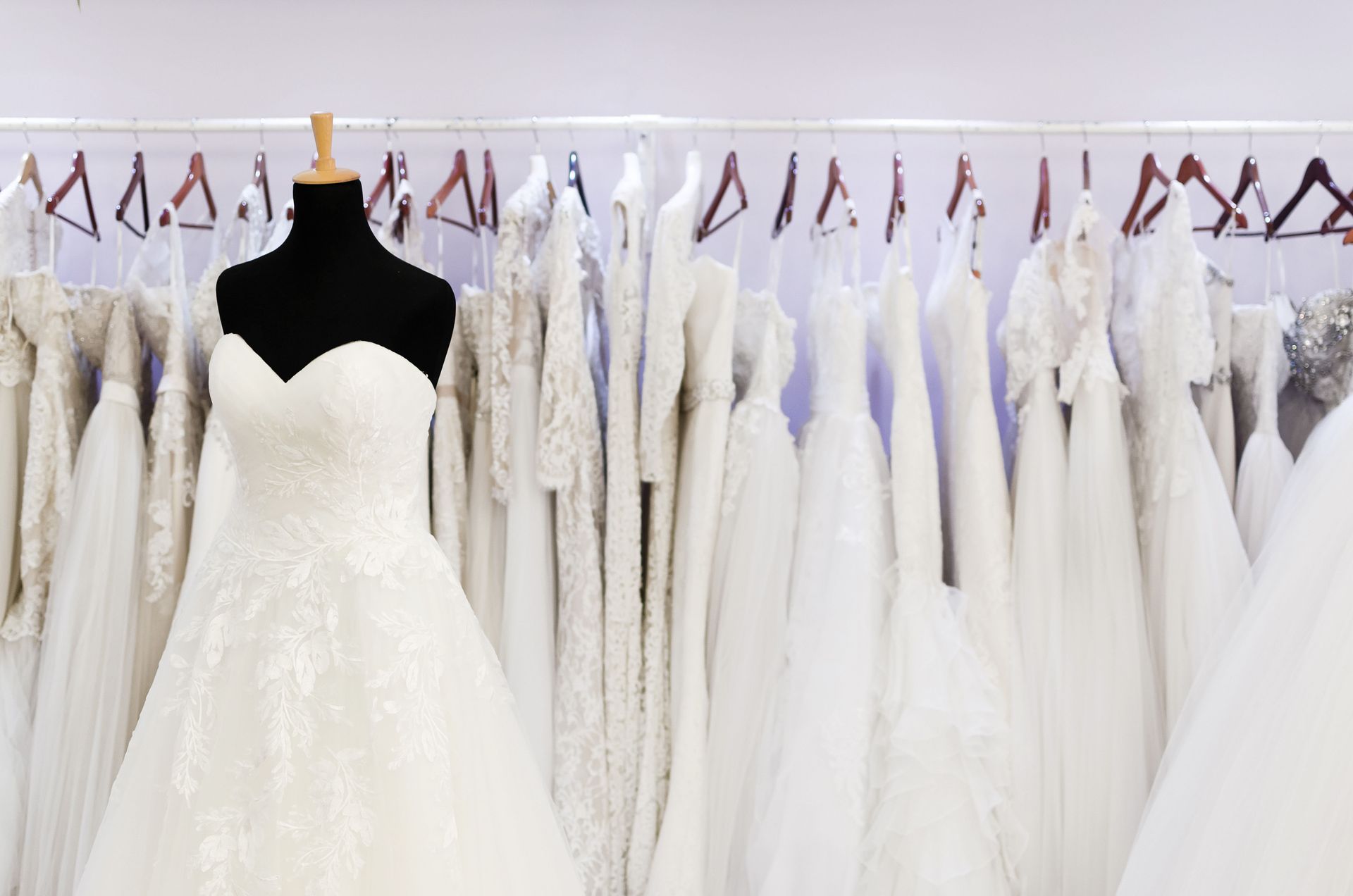
A diverse inventory gives brides the opportunity to explore different designs and identify gowns that reflect their preferences. A wedding dress shop with an extremely limited selection may make it difficult to compare silhouettes, fabrics, necklines, and decorative details. While no boutique can carry every available design, its inventory should offer enough variety to accommodate different tastes.
Size availability is another important consideration. Brides should have opportunities to explore gowns that accommodate their body types and provide a realistic idea of how different designs will look. If a boutique consistently lacks sample sizes or offers very few options for certain customers, it may not provide an inclusive shopping experience. Ask about ordering additional sizes before scheduling an appointment.
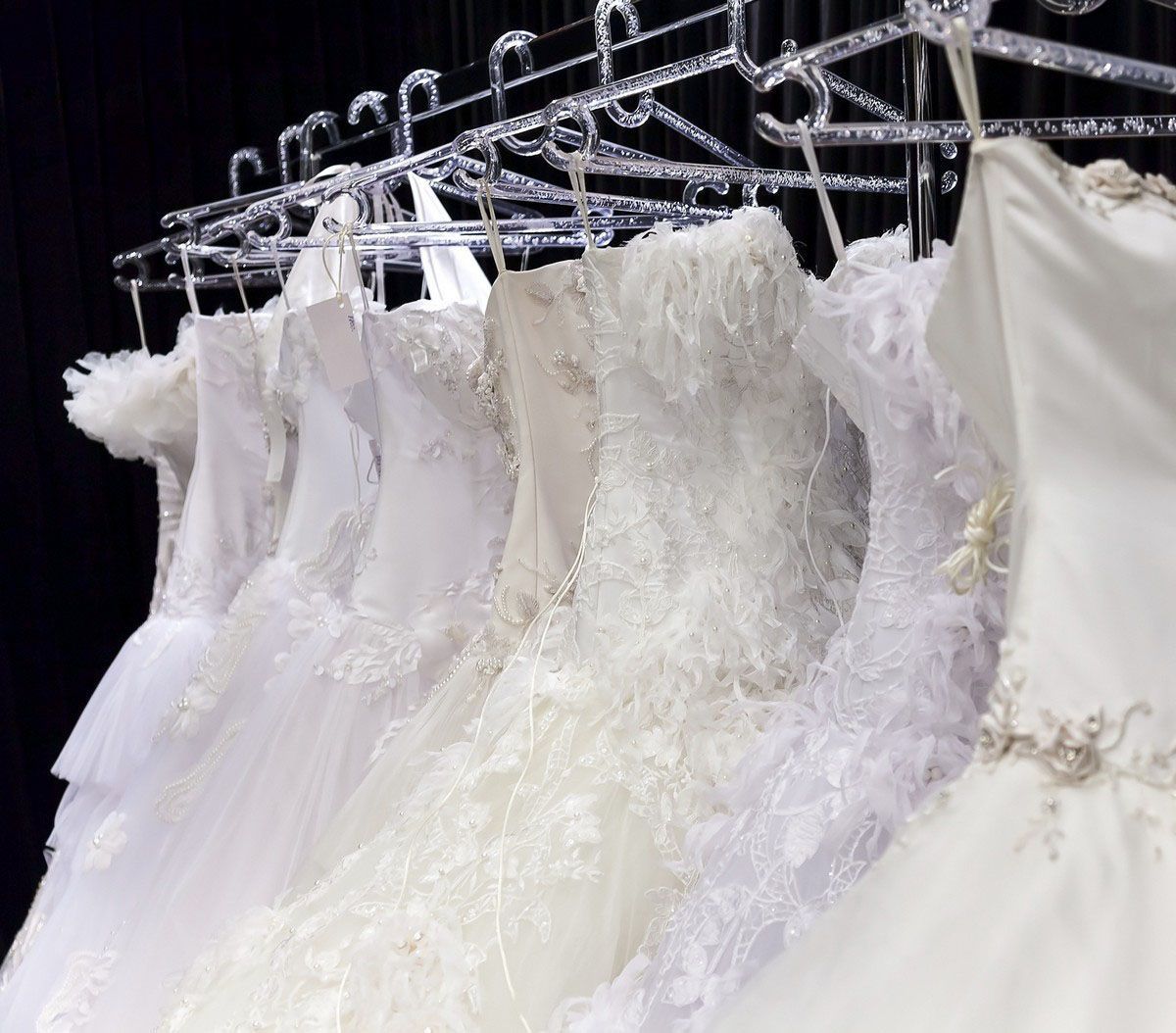
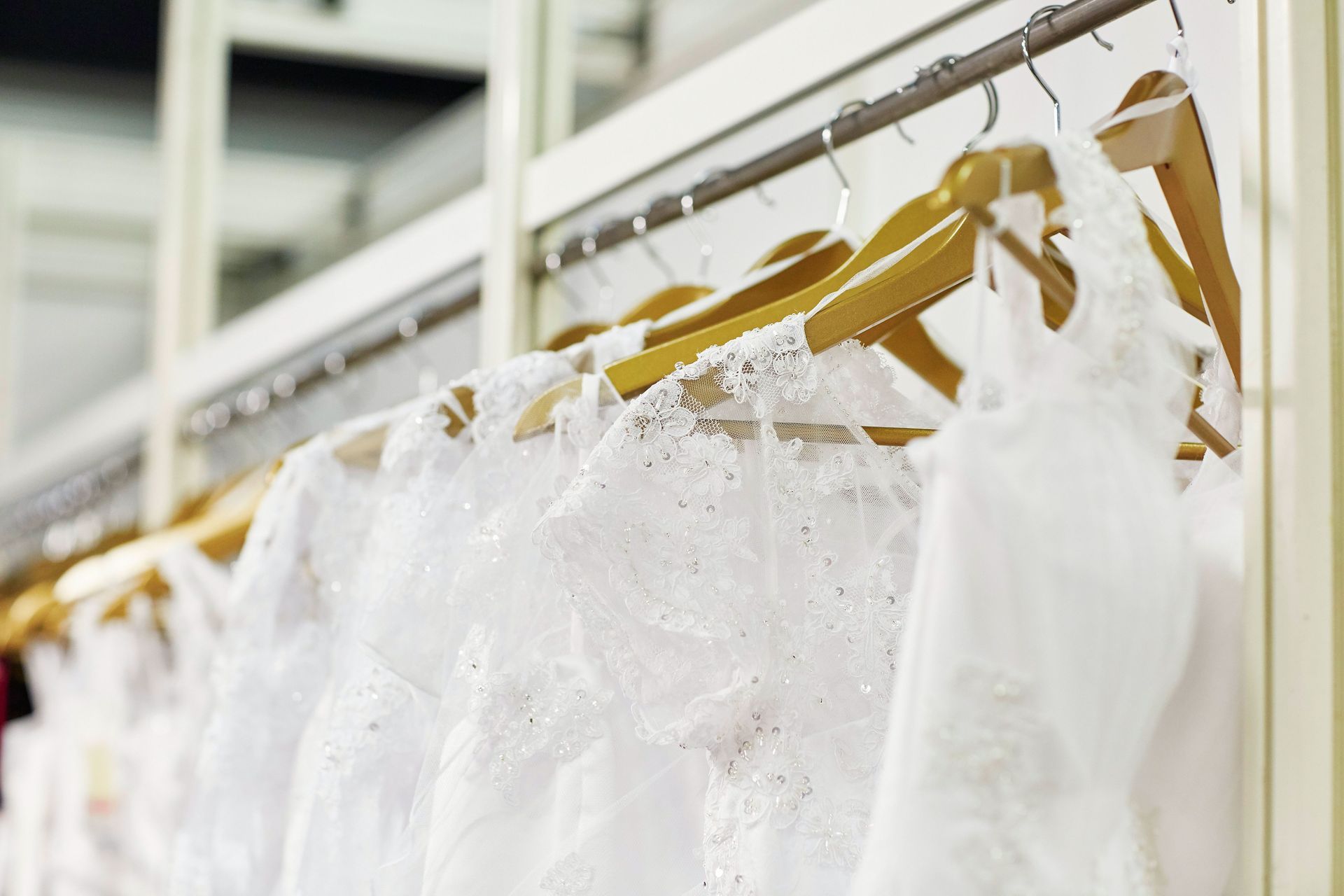
The condition of the merchandise also reveals a great deal about a boutique's standards. Wedding gowns should be stored and displayed carefully to protect delicate fabrics, embellishments, and construction details. Noticeable stains, damaged seams, missing buttons, or poorly maintained samples may indicate inadequate inventory care. Although sample gowns naturally experience some wear, significant damage should be acknowledged and explained.
Designer variety and customization opportunities can further influence the shopping experience. Brides interested in particular designers should confirm which collections are available before visiting. It is also helpful to ask whether details such as sleeve styles, necklines, or embellishments can be modified. A thoughtful selection makes it easier to find a gown that suits personal preferences.
4. Maintaining an Unpleasant Shopping Environment
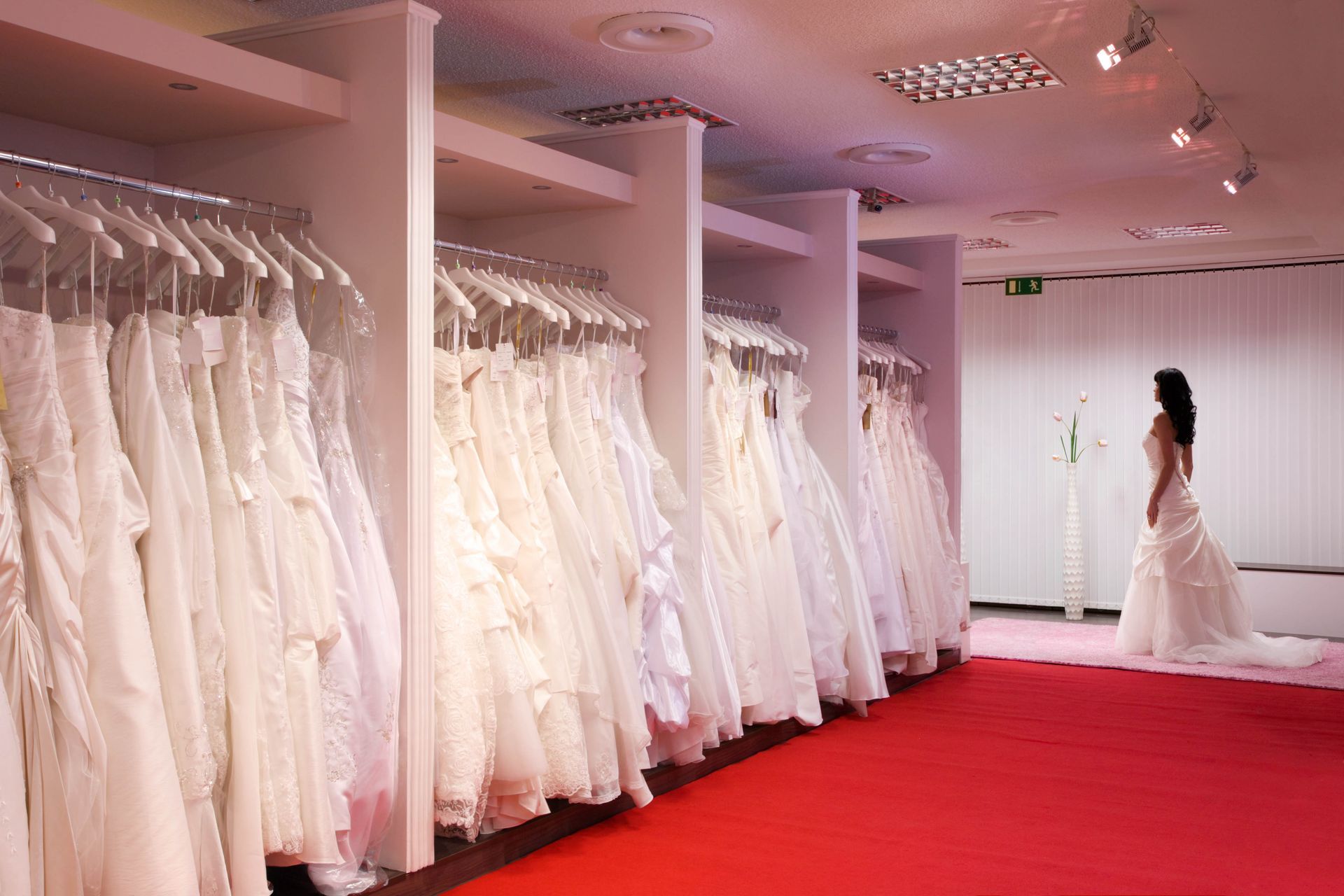
The condition of a bridal boutique can significantly affect the appointment experience. Dirty fitting rooms, cluttered displays, and poorly maintained merchandise areas may suggest that the business does not pay sufficient attention to its customers or inventory. Brides should have access to clean, comfortable spaces where they can try on gowns without unnecessary distractions. A wedding dress shop should maintain an inviting atmosphere that makes customers feel welcome.
Lighting and other environmental details matter, too. Proper lighting allows brides to see the true color, fabric texture, and decorative elements of a gown. Extremely dim lighting may conceal important details, while harsh lighting can make it difficult to assess how a dress will appear in different settings. Unpleasant odors or uncomfortable temperatures can also detract from the appointment.
The layout should support a convenient shopping experience. Dresses should be displayed in an organized manner, with enough room to browse without damaging delicate garments. Comfortable seating is also helpful when brides bring family members or friends. A well-maintained space demonstrates consideration for the overall customer experience.
5. Refusing Flexibility and Providing Limited Support
Wedding planning involves coordinating numerous appointments, deadlines, and personal responsibilities. A bridal boutique that offers extremely limited appointment availability may create unnecessary scheduling difficulties. While businesses naturally have operating hours, reasonable flexibility can make shopping more convenient. Evening and weekend appointments, when available, allow brides to explore their options without disrupting other commitments.
Supportive shopping policies are equally important. Some boutiques restrict photography during appointments, which can make it harder for brides to compare gowns later or discuss their choices with family members. Although businesses may have legitimate reasons for establishing photography guidelines, these policies should be communicated beforehand.
Ongoing assistance after purchasing a gown is another essential consideration. Brides may need help coordinating alterations, checking delivery progress, or addressing concerns about their orders. Ask how the boutique handles follow-up appointments and communicates important deadlines. A lack of accessible support can become especially frustrating as the wedding date approaches.
It is also worth considering how employees respond when unexpected situations arise. Delivery delays, fitting concerns, or changes in wedding plans may require additional communication. A wedding dress shop that listens to customer concerns and explains available solutions can make these situations easier to navigate.
Choosing a Boutique That Puts Brides First
Selecting a bridal boutique involves more than finding a beautiful gown. Customer service, inventory, pricing policies, shopping conditions, and ongoing assistance can all influence the experience. Recognizing these warning signs gives brides a better understanding of what to look for before making a commitment. Researching boutiques, reading customer reviews, and asking questions during consultations can help prevent disappointing experiences.
Every bride deserves to feel comfortable, confident, and supported while searching for her wedding dress. A welcoming wedding dress shop should respect individual preferences, communicate openly, and provide helpful guidance without unnecessary pressure. If you're ready to begin your search, Sweet Elegance Bridal can help you explore your options and enjoy a memorable bridal shopping experience. Choose a boutique that prioritizes your needs and makes finding your dream gown an exciting part of your wedding journey.
Share On: